


Take back the web
Let it be known throughout the realm: the user shall own their data, their software, and their corner of the Web.
By now, you probably understand my love of open source and, more importantly, the free-software movement—unless this is the very first page you have opened on my website.
Please note, reader: free software does not mean that it costs nothing; it means freedom. For me, though, it sometimes means both!
To see why this matters to all of us—including those who are not tech-savvy—consider this: much of the digital world we rely on was shaped by the free-software movement and figures such as Richard Stallman.

The right to understand the machine
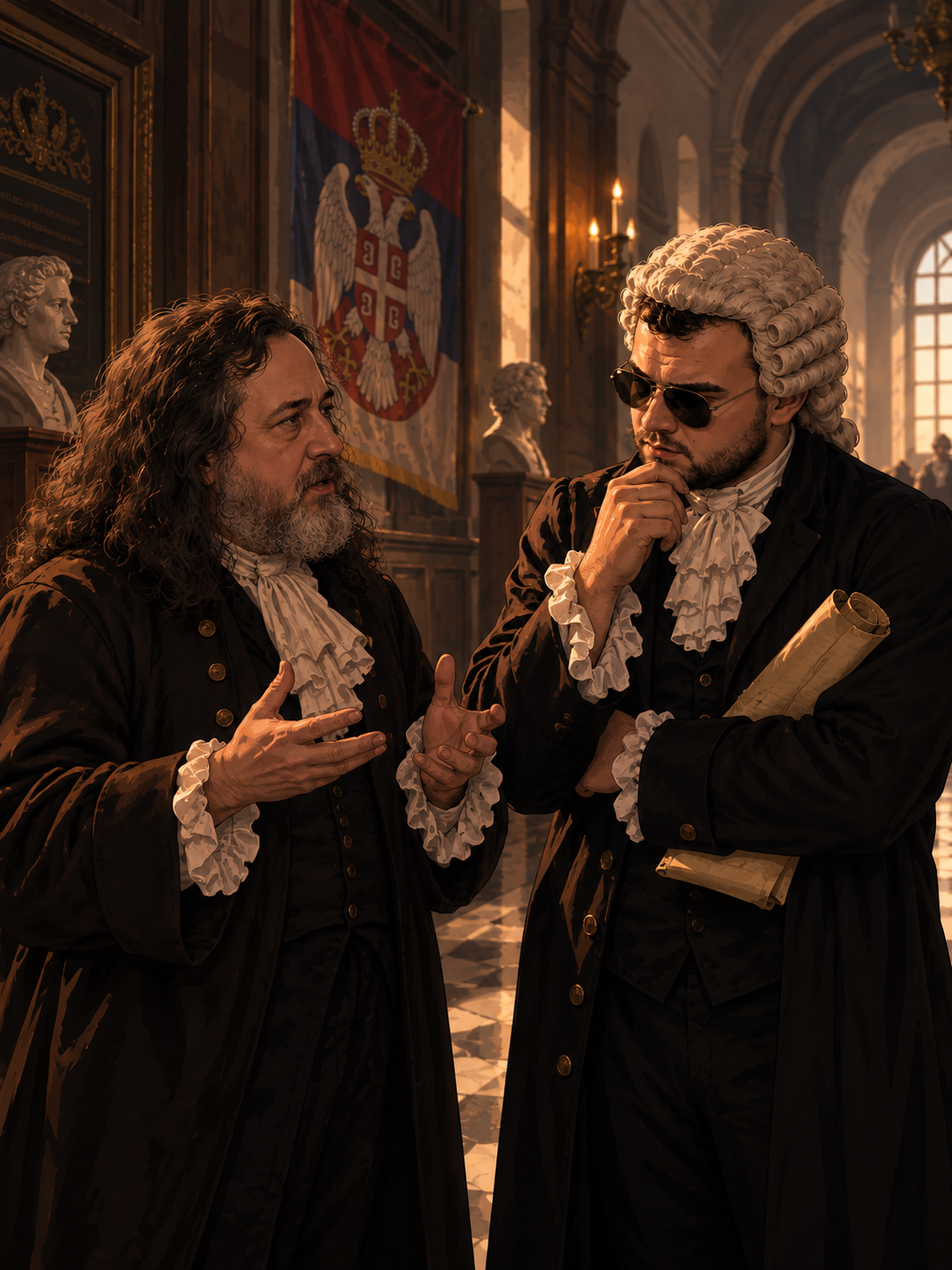
Let it be known: no person should require permission to understand, study, change, or share the software that shapes their world.
The man, the myth, the legend, the one and only: Richard Stallman.
It’s about time, reader, that we pay tribute to this amazing man that shaped the way I think about software in general.
The legend in question directly helped us all to enjoy the freedoms of software, website that said software powers like WordPress. This amazing bearded man created licenses so strong to ensure anyone can learn on the software with said license, share it, even take it as their own and create something new!
And then, we build for the greater good
Let the philosophers debate the machine. Let the engineers build it — and let what they build serve us all.
Linux is one of those things that makes me genuinely optimistic about what people can build together. Started at a dorm room in Finland as a hobby project by none other than Linus Torvalds, it quickly became OUR project, people contribute, change, learn, and make it better.
Why is this penguin in a tux so important for us all? Well, dear reader, see it or not, Linux is everywhere, and yes, right now, if you are reading this from an Android phone, you are using it.
Even if you are reading this from a Windows PC or an Apple device, most, if not all websites, including this one, run on said Linux.
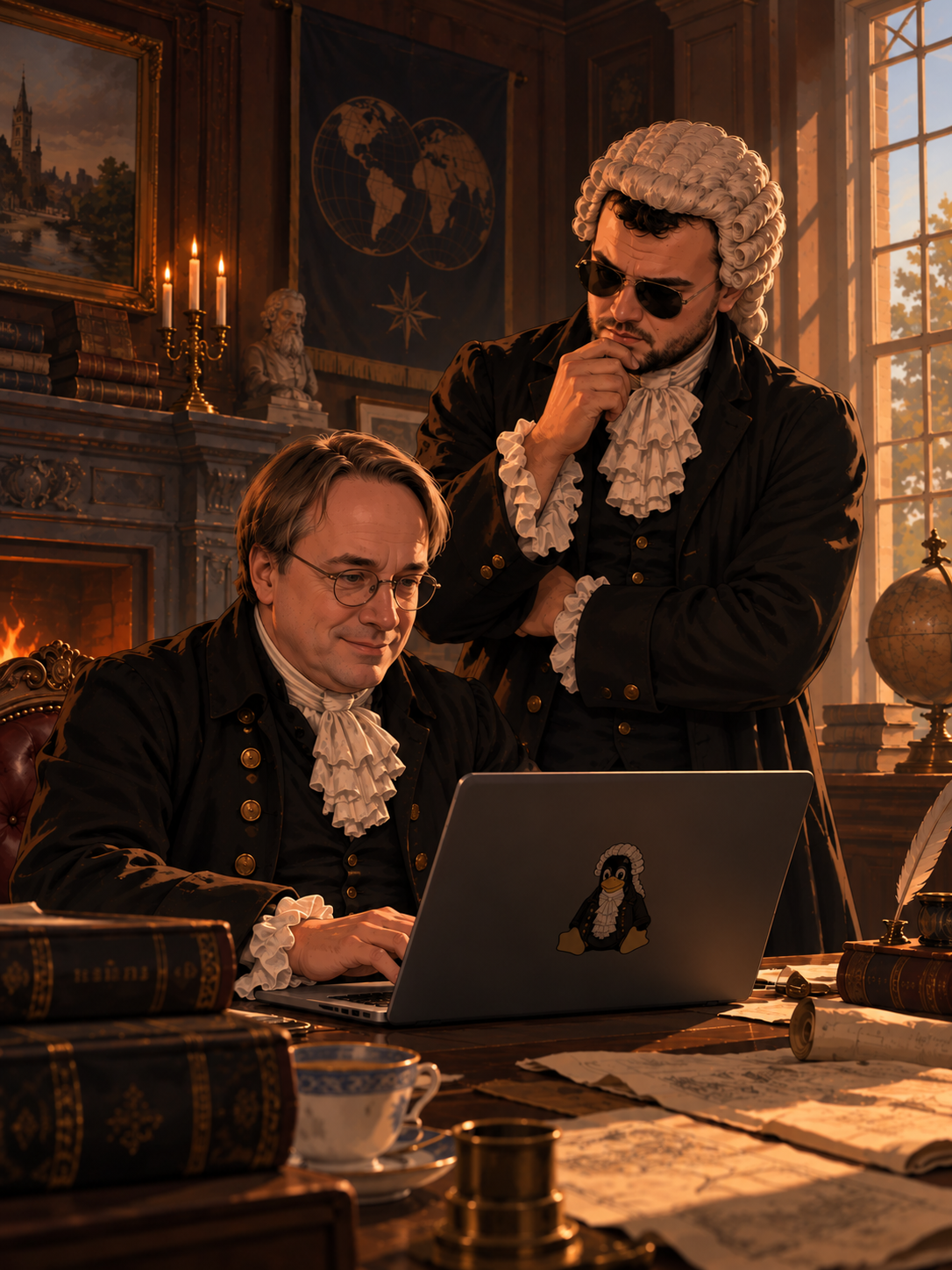
Gentlemen, please.

They may disagree about the why, yet perhaps they agree on more than first appears — after all, the penguin himself lives under Stallman’s GPL.
Well, reader, believe it or not, the Linux you may know has far more under the hood than it first appears. Richard Stallman’s work had a profound influence on the GNU/Linux ecosystem we know and love today.
Although many see Stallman as a philosopher, he is also an exceptional programmer. He launched the GNU Project, which provides a vast part of the free-software foundation that makes a complete GNU/Linux system possible.
GNU’s tools, libraries, and ideals helped turn a kernel into a usable operating system — and made it possible for millions of people to run, study, adapt, and share software on their own terms.
My humble contribution to the realm
No operating system. No grand revolution. Just free software, built for the little corner of the world I happen to know rather well.
This is where I enter the story—on a considerably smaller stage. I am not building an operating system or starting a revolution. I build software for table tennis, one little corner of the world I happen to know rather well.
Here, free means both kinds of free. Free as in speech: study it, change it, share it, make it better. And free as in beer, because a simple tool for running a table-tennis tournament should not require a subscription, a paywall, or a “Professional Ultra Mega Edition” merely to do its job.
Above all, data should stay in the hands of the community that creates it. Players contest the matches, clubs organize them, and together they create the history those results record. LibreTT is simply my little contribution: free software, open doors, and a tool that belongs to the people who use it.

Come on, friend—join us!

You don’t have to change the world. Just improve your corner of it.
I don’t want to hear, “I can’t help; I’m not a developer, and I know nothing about computers,” and so on. Dear viewer, there are many ways to contribute.
Maybe you’re a designer or a translator. You can test software, report bugs, or simply spread the word about a project or the movement more broadly. Or take the easy route and donate to projects you believe in.
As you can see, viewer, there are many ways to help. The real question is whether you are willing to do so. Are you ready to help create a better digital world for future generations?